THE IDEA
Several sides at once
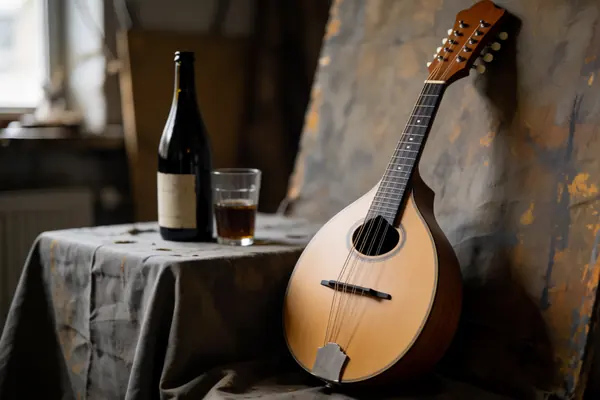
Tate says the artists broke objects into planes to show different viewpoints at the same time, suggesting their three-dimensional form.
Read a painting doodlepicasso
ART HISTORY, IN PLAIN ENGLISH
Why do Cubist paintings look broken?
Read a painting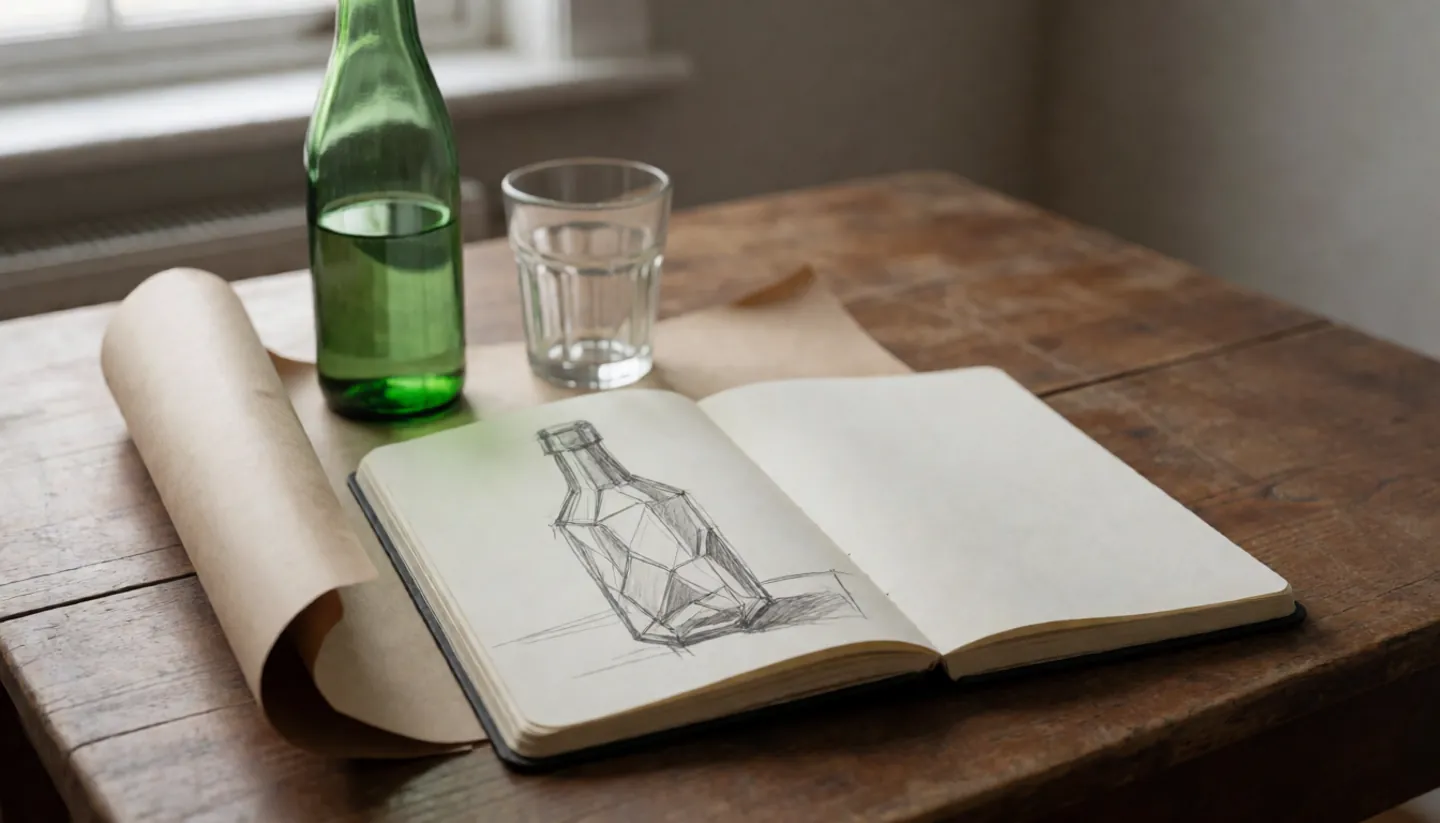
1907–14the Cubist years
Because they were built that way on purpose. From around 1907–08, Pablo Picasso and Georges Braque began bringing different views of a bottle, a guitar or a face together on one canvas. This independent guide explains how, using museum sources.
At a glance
1908
When a critic saw 'cubes'
Critic Louis Vauxcelles, seeing Georges Braque's paintings exhibited in Paris in 1908, described them as reducing everything to geometric outlines, to cubes.
THE NAME · TATE, THE MET
1912–13
Months that changed the method
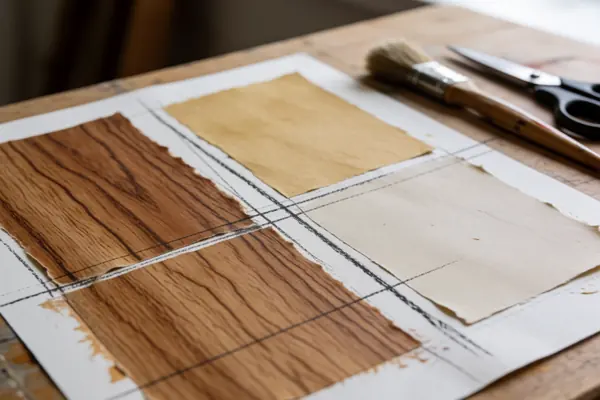
Braque and Picasso made a number of papiers collés in the last three months of 1912 and early 1913, pasting wood-grain paper and newspaper into their pictures.
PASTED PAPER · TATE
TWO DATES WORTH KNOWING
One date for the name,
one for the move to pasted paper.
Tate calls the inclusion of real objects directly in art 'the start of one of the most important ideas in modern art'.
A QUICK LOOKING GUIDE
Pick a stage in the story to see what museum curators say to look for. The bar shows how far the subject has been broken up.
Based on Tate art-term pages and the Metropolitan Museum's Heilbrunn Timeline essay on Cubism. Dates are the museums' own approximate ranges.
THE SHORT ANSWER
Cubism set aside the single fixed viewpoint
that European painting had used since the Renaissance.
THE IDEA
Tate says the artists broke objects into planes to show different viewpoints at the same time, suggesting their three-dimensional form.
Read a paintingPHASE ONE
From 1908 to 1912 the pictures became a weave of overlapping planes in muted tones, with the subject harder and harder to spot.
See the timelinePHASE TWO
From about 1912 to 1914 came simpler shapes, brighter colours and real materials such as newspaper glued onto the picture.
About papier collé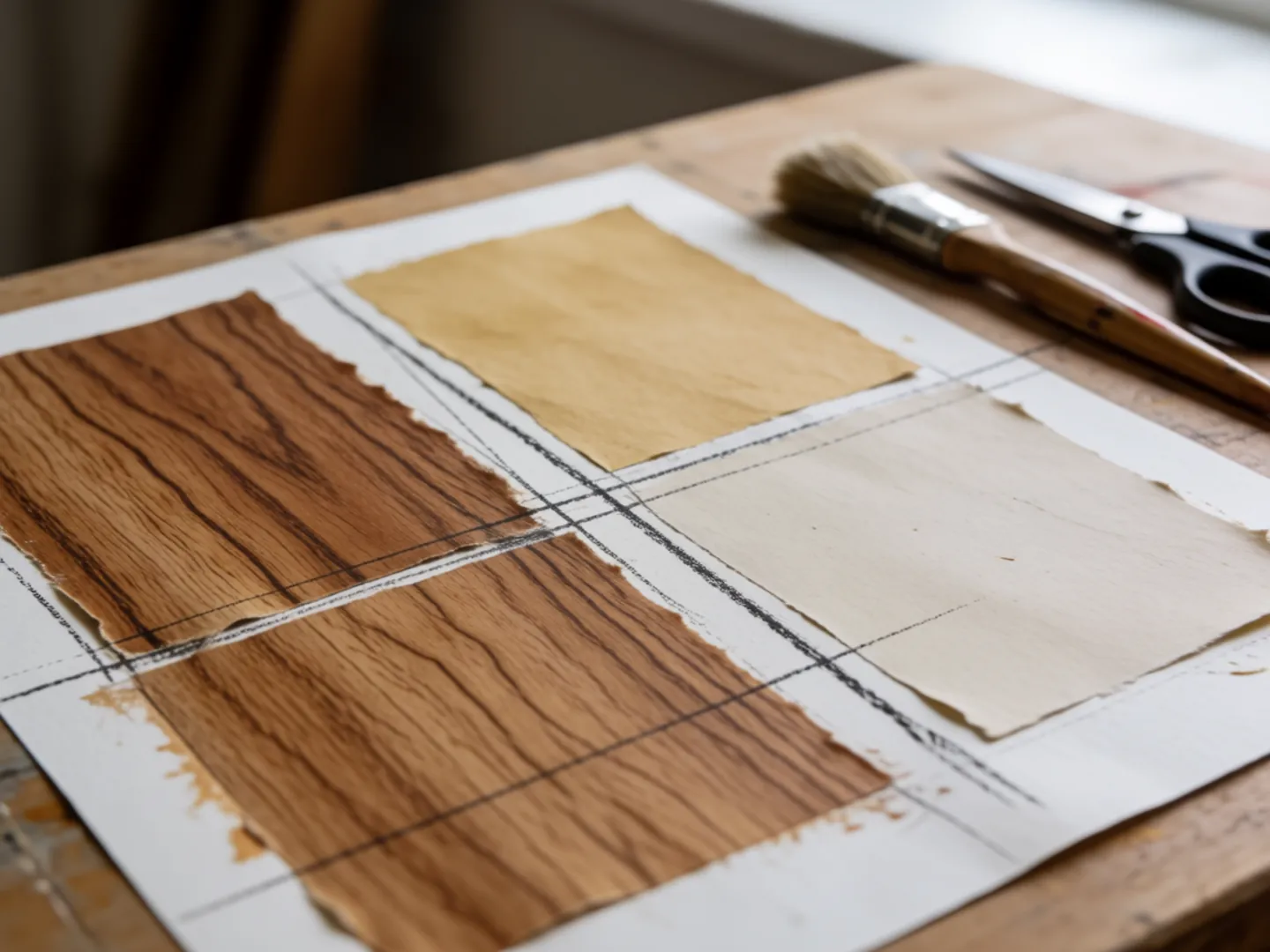
FOUR WAYS IN
Cubist paintings reward slow looking. These steps follow what Tate and the Met say the artists were doing.
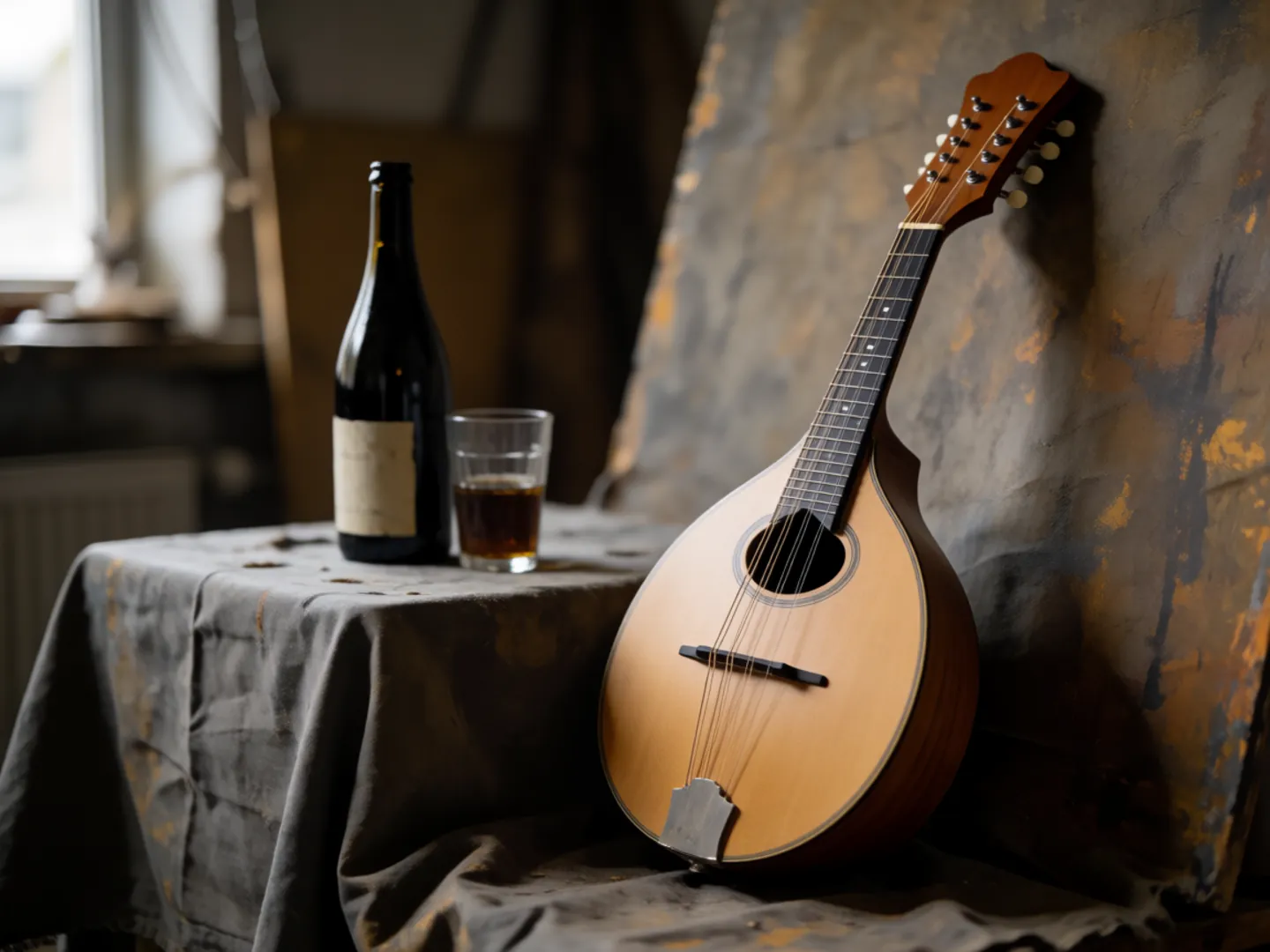
The Met lists the favourite motifs: musical instruments, bottles, glasses, newspapers, playing cards and the human face. Landscapes were rare.
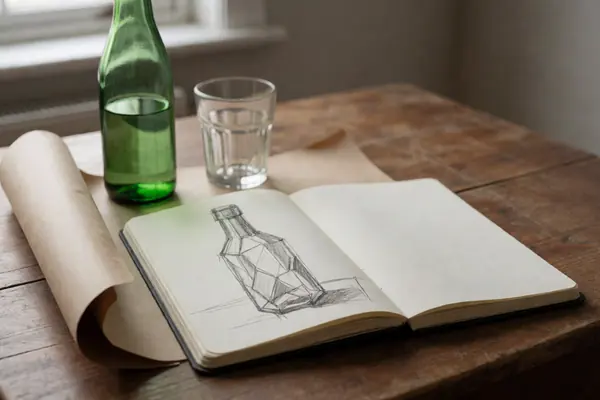
Each facet can be a different view of the same thing. Try to spot the neck of a bottle seen from the side and its rim seen from above.
The artists emphasised the flat canvas instead of an illusion of depth, a break with linear perspective.
Stencilled letters and pasted newspaper or wood-grain paper are clues to later, synthetic work.
PAPIER COLLÉ
Papier collé, French for pasted paper, is a form of collage that Tate describes as closer to drawing than painting. Braque first used it when he drew on imitation wood-grain paper pasted onto white paper.
Picasso swapped the wood-grain paper for pages of the newspaper Le Journal, bringing everyday life into the picture, and in 1912 turned the idea into a three-dimensional assemblage, Guitar. The Met says the technique swept away the last traces of illusionistic space.
Questions
Tate and the Met credit Pablo Picasso and Georges Braque, working in Paris from around 1907–08. Others, including Juan Gris, Fernand Léger and Robert and Sonia Delaunay, developed it further.
Both museums trace it to the critic Louis Vauxcelles, who in 1908 described Braque's paintings as reducing everything to geometric outlines, to 'cubes'.
Analytical Cubism (Tate: 1908–12) dissected subjects into many overlapping planes in muted colours. Synthetic Cubism (about 1912–14) used simpler shapes, brighter colours and pasted real materials.
Tate points to Paul Cézanne's late work and to African masks; the Met notes Picasso first saw African art at the Trocadéro ethnographic museum in Paris in 1907.
Yes. The Met says it influenced sculpture and architecture, and Tate calls it the starting point for later abstract styles such as constructivism and neo-plasticism.
Sources
ABOUT THIS NAME
doodlepicasso.com is part of the DoodleSale portfolio. It isn't in an auction right now, but you can ask about leasing it.